LEGO Super Mario Buying Guide: Best Starter Courses & Sets


The collaboration between The LEGO Group and Nintendo brought a fresh interactive dynamic to physical brick building. Unlike traditional LEGO themes anchored by standard minifigures and static sets, the LEGO Super Mario line functions as an interactive game system. Players construct custom physical courses, navigate timed challenges, defeat classic enemies, and collect digital coins in real-time.
Navigating this sprawling theme requires an understanding of how its modular ecosystem fits together. Whether you are a parent buying a first set for a child, an Adult Fan of LEGO (AFOL) looking to recreate iconic Mushroom Kingdom scenes, or a gift buyer seeking the best value, choosing the right combination of Starter Courses and expansion sets is essential. This comprehensive buying guide breaks down the core mechanics, compares the primary entry points, and provides actionable advice to help you build the ideal setup for your play and display needs.
Understanding the Interactive LEGO Super Mario Ecosystem
The foundation of the LEGO Super Mario system is its electronic interactive figures. These figures feature LCD screens embedded in their eyes, mouth, and chest, alongside a built-in speaker and an optical color/barcode sensor on their base. When the figure moves over specialized action tags (pre-printed barcode tiles) or standard brick colors (such as green for grass, blue for water, red for lava, and yellow for sand), it reacts with authentic video game sound effects, dynamic animations, and coin-collecting events.
The gameplay structure is modular and non-linear. Instead of following a single fixed path, builders connect individual obstacle modules, platform mechanisms, and enemy stations using wide biome plates. A standard gameplay run begins by scanning the Start Pipe, initiating a 60-second countdown timer, and concludes by scanning the Goal Pole. This open-ended architecture gives builders complete creative freedom to redesign, expand, and adjust the difficulty of their courses whenever they choose.
Comparing the Mario, Luigi, and Peach Starter Courses
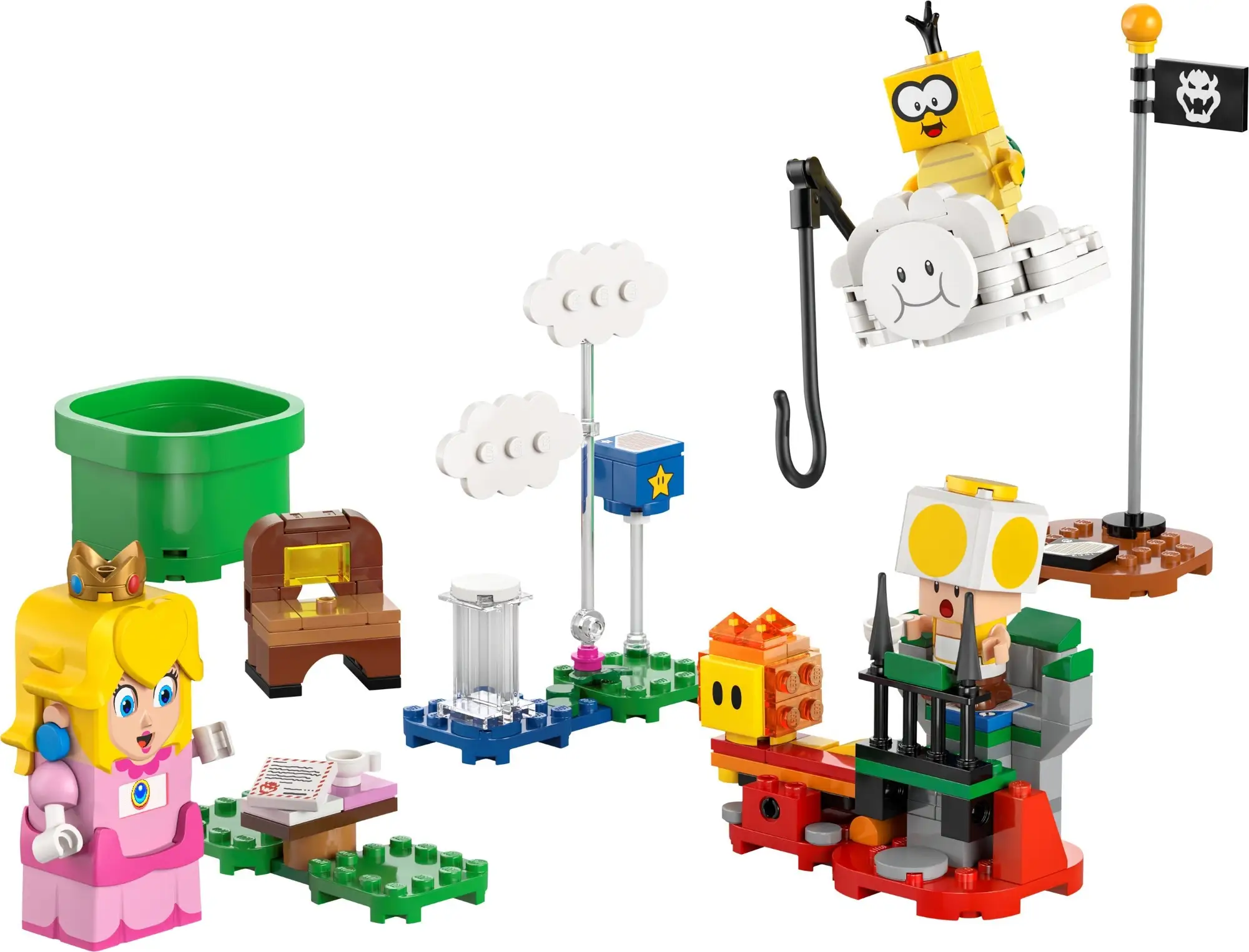
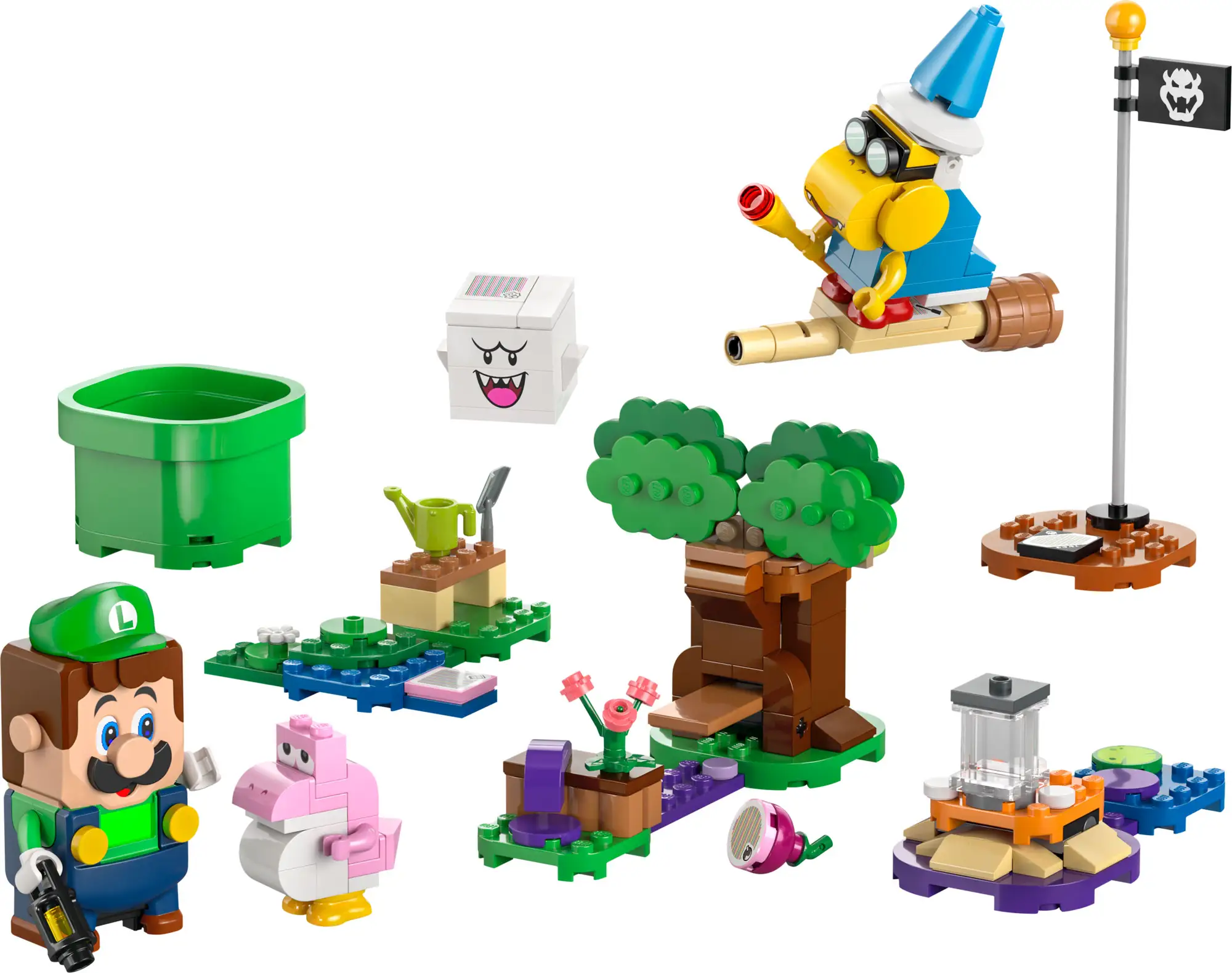
A Starter Course is the mandatory entry point for any LEGO Super Mario collection because it contains the smart electronic figure required to activate the theme’s interactive features. The three core options—Adventures with Mario, Adventures with Luigi, and Adventures with Peach—each provide a unique figure, a distinct color palette, and specific companion and antagonist characters to establish the baseline play experience.
While the core electronic technology is identical across all three characters, their personality animations, voice clips, and set obstacles differ. Furthermore, pairing any two figures via Bluetooth activates a two-player cooperative mode, enabling shared coin collection, synchronized actions, and cooperative boss battles.
| Starter Course | Primary Figure | Included Companions / Enemies | Primary Biome Focus | Key Interactive Feature |
|---|---|---|---|---|
| Adventures with Mario | Mario (Smart Figure) | Bowser Jr., Goomba | Classic Grassland / Tower | Rotating platform & Bowser Jr. battle |
| Adventures with Luigi | Luigi (Smart Figure) | Pink Yoshi, Boom Boom, Bone Goomba | Brown / Tower / Graveyard | Seesaw balance challenge |
| Adventures with Peach | Peach (Smart Figure) | Yellow Yoshi, Lemmy, Lava Bubble | Castle / Garden / Fruit | Fruit gifting & swing mechanism |
Choosing between them generally comes down to character preference and theme aesthetics. Mario offers the quintessential classic experience, Luigi introduces fun reactions suited to spooky or platforming challenges, and Peach incorporates fruit-eating and gifting mechanics that encourage cooperative interactions.
Choosing the Best Expansion Sets for Creative Level Design
Once a Starter Course is in hand, expansion sets broaden gameplay variety and physical scale. These sets do not contain an interactive character; instead, they provide specialized action tiles, unique biome environments (such as snow, lava, desert, soda jungle, or ghost houses), and kinetic mechanical elements. Incorporating moving obstacles—like teetering platforms, rotating carousels, and launch ramps—elevates a basic layout into a challenging, game-accurate obstacle course.
When selecting expansion sets, consider the balance between visual footprint, mechanical complexity, and gameplay functionality:
- Boss Battles & Strongholds: Larger expansion sets centered around castles, airships, or fortress gates serve as climatic endpoints for courses and make imposing display centerpieces.
- Biomes & Environmental Hazards: Mid-sized sets introduce distinct environmental rules, such as purple poison swamps or red lava hazards that cause temporary status effects on the figure.
- Mechanical & Platforming Additions: Smaller sets frequently focus on specific movement puzzles, such as balance tracks, flippers, or swinging pendulums that test physical dexterity without requiring excessive table space.
Enhancing Gameplay with Power-Up Packs and Character Packs
Power-Up Packs offer an accessible way to alter how the electronic figures interact with courses. These packs consist of themed suits and caps (such as Fire Mario, Cat Peach, Propeller Mario, Frog Mario, or Tanooki Mario) that replace the figure’s default overalls. Equipping a suit changes the character’s LCD graphics, sound effects, and coin-earning mechanics—such as gaining bonus coins by climbing vertical walls, stomping enemies, or flying through the air.
Character Packs serve as collectible, budget-friendly additions that expand the enemy variety on your courses. Typically sold in blind bags or surprise boxes, each pack contains a buildable minor character (such as a Mechakoopa, Parachute Bob-omb, or Shy Guy) paired with a unique action tile. These packs are practical tools for populating empty sections of your layout and adding varied point-scoring opportunities without committing to large, space-intensive sets.
Navigating the Companion App and Digital Building Instructions
The LEGO Super Mario theme departs from traditional printed booklets by relying heavily on the official LEGO Super Mario companion app for building instructions and ecosystem management. The app delivers interactive 3D digital instructions that allow builders to rotate, zoom, and inspect assemblies from every angle, significantly reducing errors during complex mechanism builds.
Beyond building guidance, the digital companion plays several functional roles within the system:
- Firmware Updates: Installs electronic updates to the Mario, Luigi, and Peach figures via Bluetooth to recognize newly released expansion tiles.
- Course Gallery & Community Sharing: Enables users to photograph custom level designs, log high scores, and explore building challenges.
- Digital Coin Tracking: Records scores from completed physical runs to track progress over time.
While the app enhances engagement, parents and builders should account for device compatibility, battery consumption, and the screen-time considerations inherent in a digital-dependent building experience.
Balancing Interactive Playability with Shelf Display Value
One of the distinct challenges of the LEGO Super Mario line is managing its display value. Because the sets are designed for interactive, modular floor or table play, a complete course can easily appear fragmented and disorganized when placed on standard shelving. The sprawling nature of connection plates requires intentional arrangement if your primary goal is aesthetic presentation.
To achieve an attractive shelf display, consider mounting your course components onto larger baseplates to unify the layout. Dedicated adult-targeted sets within the broader Mario universe—such as the massive display-focused character sculptures or retro consoles—integrate nicely alongside refined modular biomes. For standard play sets, organizing modules by biome color (grouping desert, lava, or castle elements together) creates a cohesive, clean look while preserving interactive playability.
Key Advantages and Limitations of the LEGO Super Mario System
Evaluating whether the LEGO Super Mario theme fits your building preferences requires weighing its strengths as an active game against its deviations from standard LEGO design conventions.
Advantages:
- High Replay Value: Modular components can be endlessly reconfigured into new challenges without complete teardowns.
- Engaging Multi-Sensory Play: Authentic audio, responsive screens, and dynamic color/tile recognition create immediate feedback.
- Cooperative Multiplayer: Bluetooth pairing enables shared two-player gameplay across generations.
Limitations:
- No Traditional Minifigures: Sets feature brick-built characters rather than standard LEGO minifigures, which may disappoint traditional collectors.
- App Dependency: Lack of printed instruction booklets in most sets requires a compatible smart device.
- Floor Space Demands: Fully built courses require substantial floor or table space and can be challenging to store intact.
Smart Purchasing Strategies for Beginners and Seasoned Builders
Building a rewarding LEGO Super Mario collection does not require purchasing every set at once. A strategic approach focuses on functional progression: start with an entry point, evaluate play engagement, and expand deliberately into specialized biomes or centerpiece sets.
- Select One Starter Course: Begin with the character (Mario, Luigi, or Peach) that most appeals to the builder to establish core functionality.
- Add a Dynamic Mid-Sized Expansion: Choose an expansion set featuring a moving mechanical obstacle and a boss character to introduce gameplay variety.
- Incorporate Low-Cost Character Packs: Use smaller packs to add target diversity and fill out blank stretches of track.
- Invest in a Centerpiece Display Set: For collectors and older builders, cap the layout with a large landmark set (like a flagship castle or vehicle) that doubles as an attractive display model.
This phased purchasing strategy maximizes play value while keeping budgets, storage requirements, and shelf space manageable.
Frequently Asked Questions (FAQ)
Can I play with LEGO Super Mario expansion sets without a Starter Course?
No. Expansion sets do not include the electronic interactive figure (Mario, Luigi, or Peach) or the Start/Goal tiles needed to trigger timed gameplay and read action tags. You must own at least one Starter Course to utilize the interactive features.
Do LEGO Super Mario figures require batteries, and what type do they use?
Yes. Each interactive figure (Mario, Luigi, and Peach) operates on two standard AAA (LR03) batteries, which are inserted by unscrewing the back panel. Batteries are not included in the sets and must be supplied separately.
Are the electronic figures compatible with regular LEGO bricks?
Yes. The interactive figures feature standard LEGO studs on their feet and backs, allowing them to connect directly to standard LEGO bricks, plates, and specialized vehicles within the theme.
Can two players play together at the same time?
Yes. If you have any two smart figures (such as Mario and Luigi, Mario and Peach, or Luigi and Peach), you can connect them via Bluetooth by pressing the Bluetooth buttons on their backs. This unlocks cooperative 2-player audio, shared coin bonuses, and team challenges.
Can I build the sets if I do not have a smartphone or tablet?
The standard sets do not include paper instruction booklets; they rely on the digital 3D instructions in the LEGO Super Mario app. However, PDF versions of the instructions can typically be downloaded and printed from the official LEGO Customer Service website if you prefer working from paper.
The LEGO Super Mario theme provides an inventive fusion of tactile building and responsive digital gameplay, making it an engaging choice for family game nights, creative kids, and Nintendo enthusiasts. By starting with the right Starter Course and thoughtfully selecting expansions that add unique mechanics and biome diversity, you can create a customized obstacle course that delivers lasting replay value.
Ready to design your ultimate Mushroom Kingdom course? Start by selecting your favorite Starter Course, plan your layout with biome-focused expansions, and explore more LEGO buying guides and setup ideas right here on Brickvivid.

 US Warehouse
 EU Warehouse
 Best Sellers
 New Arrivals
 Flash Sale
 Promotions
 Movie & Game
 Marvel
 Star Wars
 Batman
 Harry Potter
 Minecraft
 Pokémon
 Lord of The Rings
 Disney
 Super Mario
 Ninjago
 One Piece
 Technic
 Vehicle
 Ideas
 Creator
 Flowers
 Art
 Editions
 Friends
 Modular
 Architecture
 Figures
 Military